
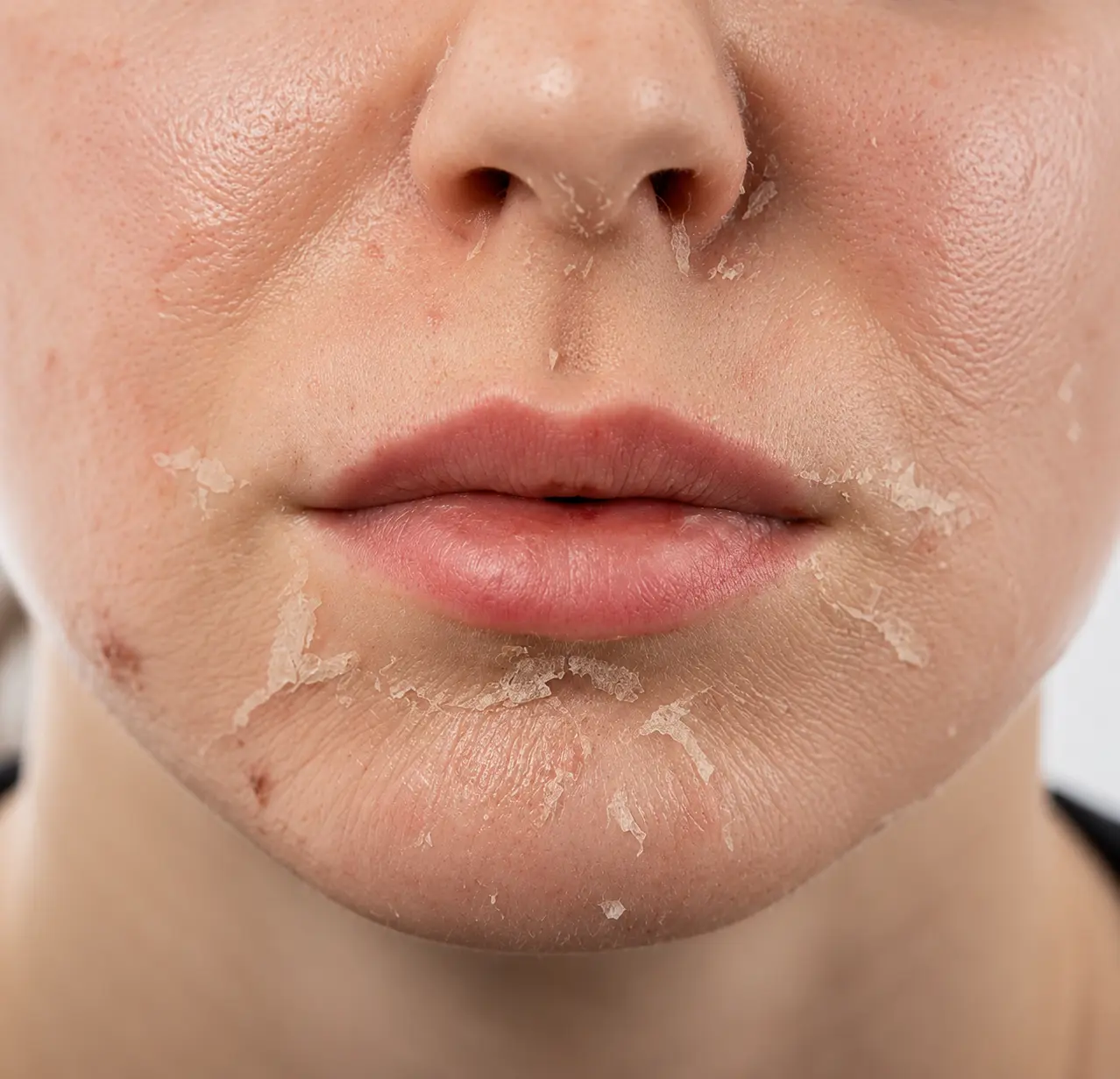
If you have been struggling with dull skin, stubborn acne marks, dark spots, or uneven texture for months or even years, you already know how frustrating it can be. You try every serum, every home remedy, and nothing seems to work. That's exactly where a chemical peel changes the game.
Chemical peeling is one of the most trusted, clinically proven skin treatments available today. It's been used by dermatologists for decades, and for good reason — it works. Whether you want to address pigmentation, brighten your complexion, smooth out rough texture, or reduce the appearance of fine lines, a chemical peel can deliver visible results that home skincare simply cannot.
In this blog, we break down everything you need to know about chemical peeling — what it is, how it works, which type is right for your skin, and what to expect before and after the treatment.
What Is Chemical Peeling?
A chemical peel is a professional skin treatment where a trained dermatologist applies a chemical solution to the skin. This solution causes the outer damaged layers to gently exfoliate and eventually peel off, revealing fresh, healthier skin underneath.
Think of it as a deep reset for your skin. The controlled shedding process stimulates your skin to produce new collagen, speed up cell turnover, and resurface with a cleaner, more even tone.
It's not a scary procedure — it's a science-backed technique that has helped millions of people achieve clearer, brighter, and younger-looking skin. When performed by an experienced dermatologist, it is both safe and highly effective.
What Skin Problems Does Chemical Peeling Treat?
Chemical peeling is not just for one type of skin concern. It addresses a wide range of issues:
- ✔ Acne and active breakouts
- ✔ Acne scars and post-inflammatory marks
- ✔ Hyperpigmentation and dark patches
- ✔ Melasma and sun damage
- ✔ Uneven skin tone and dull complexion
- ✔ Fine lines and early signs of aging
- ✔ Rough or textured skin
- ✔ Enlarged pores
- ✔ Tanning and uneven texture from sun exposure
If you have been searching for a chemical peel for acne scars in Hyderabad or a treatment for dark spots and pigmentation, a chemical peel can be the answer you've been looking for.
Types of Chemical Peels
Not all chemical peels are the same. They vary in depth and strength. Your dermatologist will choose the right type based on your skin type, concern, and skin sensitivity.
1. Superficial Peels (Light Peels)
These use mild acids like glycolic acid or lactic acid. They target only the outermost layer of the skin (epidermis). They are ideal for mild discoloration, dullness, and general skin brightening. They require little to no downtime and are great for first-time patients.
2. Medium-Depth Peels
These use trichloroacetic acid (TCA) to penetrate into the middle layers of the skin. They are more effective for treating moderate pigmentation, acne scars, and fine lines. You may experience some redness and peeling for a few days.
3. Deep Peels
These target deeper skin layers using phenol-based solutions. They are recommended for severe skin issues like deep wrinkles, significant scarring, or advanced sun damage. These peels require a longer recovery period and are performed under careful medical supervision.
Your dermatologist will carefully assess your skin before recommending any peel depth. Never attempt chemical peels at home — incorrect use can cause burns, scarring, or worsening of pigmentation.
The Chemical Peeling Procedure: What to Expect
Here's a step-by-step breakdown of what happens during a professional chemical peel session at a dermatology clinic:
Step 1: Skin Consultation
Your dermatologist will examine your skin, understand your concerns, review your medical history, and decide on the best type of chemical peel for your skin.
Step 2: Skin Preparation
Your face will be thoroughly cleansed to remove all oils, makeup, and debris before the application. This ensures maximum penetration of the peel.
Step 3: Peel Application
The chemical solution is carefully applied to the skin using a brush or cotton. You may feel a mild tingling or warmth — this is completely normal.
Step 4: Neutralization
After the required time, the solution is neutralized and removed. For certain peels, this step is not needed as they self-neutralize.
Step 5: Post-Treatment Care
A soothing moisturizer and sunscreen are applied. Your doctor will give you detailed aftercare instructions to follow at home.
A single session typically lasts between 30 to 60 minutes. Most patients need a series of sessions spaced 2 to 4 weeks apart for optimal results.
Before & After: What Results Can You Expect?
After completing a recommended course of chemical peeling, most patients notice:
- ✔ Visibly brighter and more even skin tone
- ✔ Reduction in acne marks and pigmentation
- ✔ Smoother, softer skin texture
- ✔ Reduced appearance of pores
- ✔ Fresher, more youthful complexion
Results vary from person to person depending on the type of peel, skin condition, and adherence to aftercare. Superficial peels show gradual improvement over multiple sessions while medium and deep peels can show more dramatic changes.
Chemical Peel Aftercare: Do's and Don'ts
Following aftercare instructions is critical to get the best results and avoid complications.
Do's:
- Moisturize regularly with a gentle, fragrance-free moisturizer
- Apply broad-spectrum sunscreen (SPF 30 or higher) every single morning
- Stay hydrated and drink enough water
- Follow all instructions given by your dermatologist
Don'ts:
- Do not pick or peel the skin — let it shed naturally
- Avoid sun exposure as much as possible during recovery
- Do not use harsh exfoliants or retinol-based products immediately after the peel
- Avoid swimming pools, steam rooms, or saunas for at least a week
Is Chemical Peeling Safe for Indian Skin?
Yes, chemical peeling is absolutely safe for Indian skin tones when performed by a qualified dermatologist. However, Indian skin is more prone to post-inflammatory hyperpigmentation (PIH), which means incorrect peels or untrained practitioners can sometimes worsen dark spots instead of treating them.
This is why choosing the right clinic and qualified dermatologist matters enormously. A skin specialist who understands pigmented skin, like those at Veda Skin & Hair Clinic in Kompally, will customize the peel type and strength specifically for your skin tone and concern — making the treatment safe and effective.
How Many Sessions Are Needed?
The number of sessions depends on the type of peel and the skin concern being treated. On average:
- Superficial peels: 4 to 6 sessions, spaced 2 to 3 weeks apart
- Medium peels: 2 to 3 sessions, spaced 4 weeks apart
- Deep peels: Usually a single session with longer recovery
Your dermatologist will create a personalized treatment plan during your initial consultation.
Why Choose Veda Skin & Hair Clinic for Chemical Peeling in Hyderabad?
If you are looking for a trusted skin care clinic in Kompally or a qualified dermatologist in Kompally, Veda Skin Hair & Aesthetic Center is a name you can rely on. Led by Dr. Radha Penumatsa, MD in Dermatology, Venereology & Leprosy, and a member of the Indian Association of Dermatologists, Venereologists and Leprologists (IADVL), the clinic performs chemical peeling treatments using advanced, clinically approved solutions suited to each patient's unique skin type. Whether you have sensitive skin, oily skin, or combination skin, the team at Veda carefully customizes the peel protocol to ensure safe, predictable, and beautiful results - in a comfortable, hygienic, and fully equipped environment at Rayudu's Tower, Kompally.
Conclusion
Chemical peeling is one of those treatments that truly delivers. It addresses real skin concerns with visible, lasting results — and when done by the right hands, it is remarkably safe and effective. Whether you want to tackle persistent acne marks, fade stubborn pigmentation, or simply refresh your skin, a chemical peel can help you get there.
Don't let trial and error with products waste more months of your life. Book a consultation with a qualified dermatologist and find out which chemical peel is right for your skin. Your best skin is closer than you think.
Frequently Asked Questions (FAQs)
Q1. Does a chemical peel hurt?
Most patients feel a mild tingling or warmth during the application. Superficial peels are well-tolerated with minimal discomfort. Deeper peels may cause more sensation, but your dermatologist will ensure you are comfortable throughout the procedure.
Q2. How long does it take to see results from a chemical peel?
With superficial peels, you may notice brighter, smoother skin within a week of your first session. More significant improvements typically become visible after completing a recommended series of 4 to 6 sessions. Medium and deep peels show results sooner but require more recovery time.
Q3. Can chemical peeling remove dark spots permanently?
Chemical peeling significantly reduces dark spots and pigmentation. However, sun exposure without adequate sunscreen can cause spots to return. A proper skincare routine and sun protection are essential to maintain results long-term.
Q4. Can I get a chemical peel if I have acne?
Yes, in fact chemical peels are one of the best treatments for active acne and post-acne marks. Salicylic acid peels in particular are highly effective for acne-prone skin. Your dermatologist will choose the right peel type for your current skin condition.
Q5. Is there downtime after a chemical peel?
Superficial peels have minimal to no downtime. You may have mild redness for a day or two. Medium peels may involve peeling and redness for 3 to 7 days. Deep peels require more recovery. Your doctor will advise you on what to expect based on the peel chosen.
Q6. How much does a chemical peel cost in Hyderabad?
The cost of a chemical peel in Hyderabad varies depending on the type of peel, number of sessions, and the clinic. For an accurate quote tailored to your skin concern, we recommend booking a consultation at Veda Skin & Hair Clinic in Kompally.
Q7. Can chemical peeling be done for the body as well?
Yes, chemical peels can be applied to areas like the neck, back, hands, and even underarms to treat pigmentation and improve skin texture. Ask your dermatologist if body peeling is suitable for your concern.